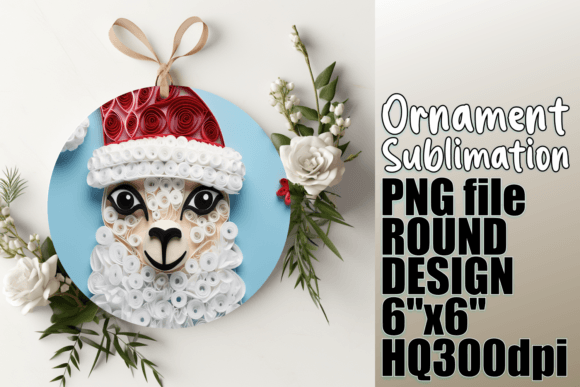
Mastering the Visual Impact of Seasonal 3D Embroidered Circle Art in Sublimation Printing
The landscape of custom printing and textile design is undergoing a significant transformation, driven by the demand for textures that mimic traditional craftsmanship while leveraging modern digital efficiency. Among the most compelling innovations in this space is Seasonal 3D Embroidered Circle Art. This specific aesthetic combines the timeless appeal of circular motifs with the tactile illusion of raised embroidery, creating a visual depth that flat prints simply cannot achieve. For professionals, hobbyists, and business owners alike, understanding how to effectively utilize these designs—particularly through sublimation printing—is crucial for producing high-end merchandise that stands out in a crowded marketplace.
While the final product looks like intricate threadwork, the process relies heavily on high-fidelity digital imaging and precise heat transfer techniques. The core of this artistic style lies in its ability to simulate volume and shadow using two-dimensional graphics. When applied correctly, the result is a garment or accessory that feels premium and artisanal, offering a unique selling point for brands looking to elevate their seasonal collections. However, achieving this look requires more than just purchasing a file; it demands a solid grasp of sublimation principles, color management, and material science.
The Anatomy of 3D Embroidered Illusions
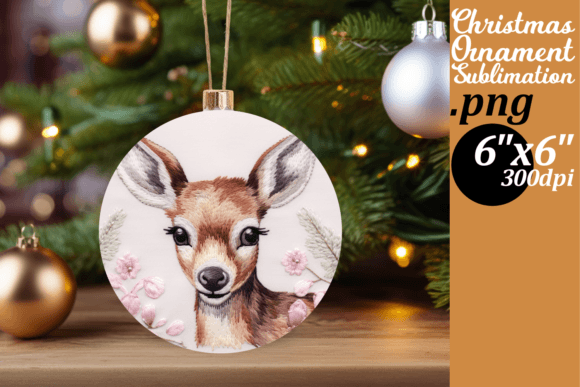
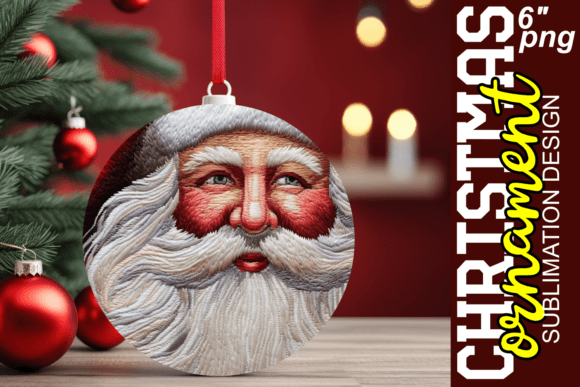
To appreciate the value of Seasonal 3D Embroidered Circle Art, one must first understand the technical challenge it addresses: replicating texture digitally. Traditional embroidery adds physical dimension to fabric through stitched threads. In contrast, sublimation printing deposits dye directly into synthetic fibers, resulting in a smooth surface. The "3D" effect in digital art is therefore an optical illusion created through shading, gradient mapping, and contrast manipulation.
The designs typically feature concentric circles, radial symmetry, and layered elements that suggest depth. By varying the opacity and brightness of specific segments within the circle, artists can trick the eye into perceiving ridges, valleys, and overlapping layers. This technique is particularly effective when applied to round sublimation blanks, such as coasters, mugs, or circular patches, where the geometry of the substrate complements the geometry of the artwork. The seamless integration of the image with the shape of the object enhances the perception of three-dimensionality, making the print appear as if it were physically constructed rather than printed.
Essential Prerequisites for Sublimation Success
Before diving into the creative possibilities, it is imperative to address the technical foundation required to use these files effectively. Sublimation is not a plug-and-play solution for all printers or fabrics. To ensure the best results, practitioners must have a thorough understanding of the sublimation process. This includes knowledge of heat press temperatures, dwell times, and pressure settings. Without this foundational knowledge, even the highest-resolution file will fail to produce the desired outcome.
Software Requirements
Proficiency in graphic design software is non-negotiable. Users should be comfortable manipulating PNG files, adjusting color profiles (specifically CMYK vs. RGB conversions), and scaling images without losing integrity. Since the Seasonal 3D Embroidered Circle Art files are provided as high-resolution PNGs, they offer flexibility for modification. Designers often need to crop, rotate, or overlay additional text or logos onto the base design. Therefore, having access to robust editing tools is essential before purchasing or downloading these assets.
Equipment Necessities
The hardware ecosystem for sublimation is specialized. A dedicated sublimation printer, loaded with sublimation ink, is required. Standard inkjet printers cannot be used for this purpose unless they have been permanently converted for sublimation purposes. Additionally, a heat press capable of maintaining consistent temperature and pressure across the entire surface area is critical. For round sublimation projects, a mug press or a specialized circular platen attachment may be necessary. It is important to note that support for technical issues is generally limited to the integrity of the digital files themselves; users are expected to troubleshoot their own equipment and workflow issues independently.
File Specifications and Quality Standards
The quality of the final output is directly proportional to the quality of the source file. The Seasonal 3D Embroidered Circle Art collection is designed with professional standards in mind, ensuring that every detail is preserved during the printing process. Below are the key specifications that define these assets:
- Format: Each download includes a single PNG file. The PNG format is chosen for its ability to handle transparency and maintain sharp edges without the compression artifacts common in JPEG files. This is vital for preserving the crisp lines needed to create the 3D illusion.
- Resolution: The images are rendered at an exceptional 300 DPI (dots per inch). This high resolution ensures that when the image is printed, there is no pixelation or blurring, even when scaled up slightly. High DPI is particularly important for small details within the embroidered pattern, such as the simulated thread highlights.
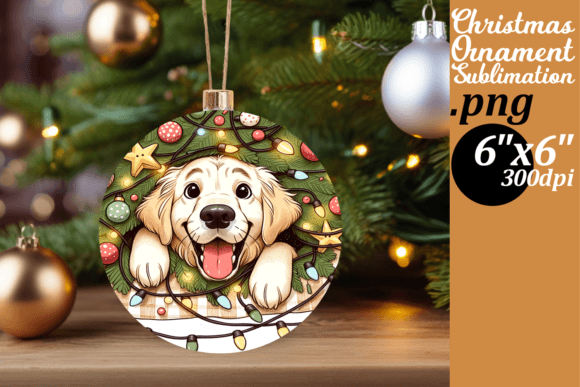
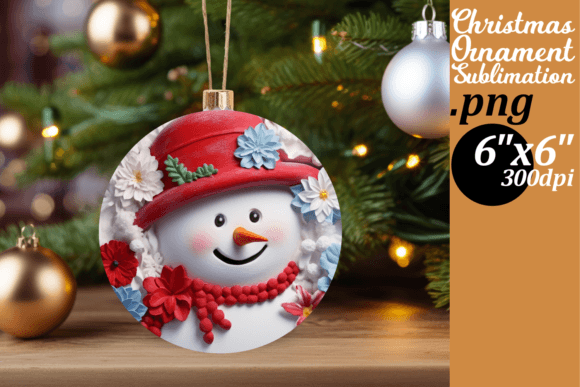
- Dimensions: The designs are optimized for a 6-inch x 6-inch square canvas, which maps perfectly to standard 6-inch round sublimation blanks. This pre-sizing saves time and reduces the risk of distortion that can occur when manually resizing complex vector-like raster images.
These specifications mean that the files are ready for immediate use in most professional workflows. However, because they are high-resolution and editable, users are encouraged to experiment. Whether you are adding a brand logo to the center of the circle or adjusting the hue to match a specific seasonal palette, the file’s integrity allows for such customization without degradation.
Practical Applications Across Industries
The versatility of Seasonal 3D Embroidered Circle Art extends across various sectors, from retail to corporate gifting. Its adaptability makes it a valuable asset for creators looking to diversify their product offerings.
Retail and Fashion Accessories
In the fashion industry, circular motifs are prevalent in patch designs, bag charms, and hat panels. The 3D effect mimics the look of expensive embroidered patches, allowing retailers to offer premium-looking accessories at a lower production cost. Seasonal themes—such as autumn leaves, winter snowflakes, or spring florals integrated into the circle—can drive impulse purchases during holiday shopping periods.
Corporate Branding and Promotional Items
Businesses often seek unique ways to distribute branded merchandise. Sublimated coasters, mouse pads, and travel mugs featuring these artistic designs offer a sophisticated alternative to standard screen-printed items. The circular format naturally accommodates logos placed in the center, surrounded by the decorative 3D border. This creates a balanced composition that is visually appealing and reinforces brand identity without being overly aggressive.
Educational and Craft Projects
For educators and hobbyists, these files provide an excellent introduction to advanced printing techniques. They allow students to learn about color theory, resolution, and heat transfer mechanics by experimenting with different materials. The ease of use—simply print, cut, and press—makes them accessible for classroom settings or home crafting businesses.
Considerations for Optimal Results
While the files are designed for ease of use, several factors influence the final appearance of the Seasonal 3D Embroidered Circle Art. First, the choice of substrate is critical. Sublimation only works on polyester-rich fabrics or polymer-coated hard substrates. Natural fibers like cotton will not absorb the dye, resulting in faded or non-existent prints. Furthermore, the whiteness and coating quality of the blank can affect color vibrancy. Lighter blanks generally yield brighter, more accurate colors, while darker blanks may require a white underbase layer, which can complicate the 3D effect if not managed carefully.
Color calibration is another key consideration. Screens display colors in RGB, while sublimation inks operate in a CMYK-like spectrum. Differences between what is seen on the monitor and what appears on the final product are normal. It is advisable to perform test prints to calibrate your printer profile and adjust saturation levels accordingly. This step ensures that the shadows and highlights in the 3D embroidery illusion remain distinct and do not muddy together during the printing process.
Conclusion
The integration of Seasonal 3D Embroidered Circle Art into sublimation workflows represents a blend of artistic innovation and technical precision. By providing high-resolution, professionally designed assets, creators can produce goods that rival traditional embroidery in visual impact, albeit through a digital medium. Success in this domain relies on a commitment to quality—from selecting the right software and equipment to mastering the nuances of heat transfer. As the market continues to evolve, those who invest in understanding these technologies will find themselves well-positioned to deliver distinctive, high-value products that resonate with consumers seeking both aesthetic beauty and functional excellence.