Festive 3D Embroidered Decor: Elevating Sublimation Projects with Precision and Style
The landscape of custom merchandise and home decor has shifted dramatically in recent years. Consumers are no longer satisfied with flat, mass-produced items; they seek texture, depth, and a tactile experience that signals quality and care. This demand has propelled Festive 3D Embroidered Decor into the spotlight, offering creators and small business owners a unique way to blend traditional craftsmanship aesthetics with modern digital printing technologies. For those working in the sublimation space, understanding how to integrate these designs is not just about following a trend—it is about expanding your product portfolio to meet evolving consumer expectations for premium, personalized goods.
Understanding the Fusion of Digital Print and Embroidery Aesthetics
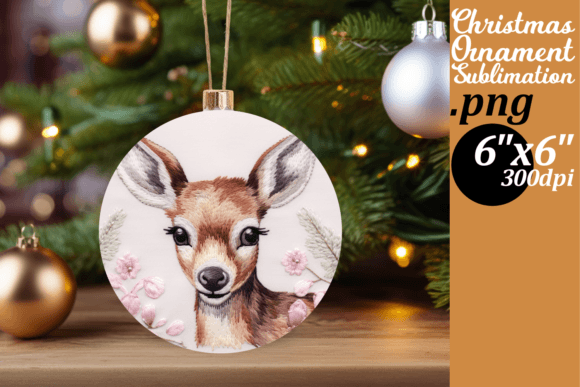
At first glance, the term "3D Embroidered" might suggest physical stitching, but in the context of digital sublimation, it refers to a visual technique. These designs mimic the raised, textured look of high-end embroidery through clever shading, layering, and contrast adjustments. The result is a graphic that appears three-dimensional when printed on fabric or hard surfaces, adding a layer of sophistication that standard 2D vector graphics often lack.
This approach is particularly relevant for festive occasions. Whether it is holiday-themed ornaments, custom apparel for seasonal events, or decorative accents for interior design, the visual weight of a 3D-embroidered style commands attention. It bridges the gap between the durability and vibrancy of dye-sublimation and the perceived value of handcrafted textile arts. By utilizing these designs, you can offer products that feel more luxurious without the steep time investment and labor costs associated with actual machine embroidery.
The Technical Foundation: Why Sublimation Knowledge is Non-Negotiable
To effectively use this file, a thorough understanding of sublimation is essential. Sublimation is not merely a printing method; it is a chemical process where solid ink turns into gas under heat and pressure, bonding directly with polymer-coated substrates. If you lack familiarity with color profiles, heat press temperatures, or substrate compatibility, even the highest-resolution file will yield disappointing results.
Ensure you have the requisite software and equipment before purchasing, as I can’t assist with the process. My support is limited to issues specifically with my files. This disclaimer is crucial because many beginners underestimate the technical precision required. For instance, if your color management is off, the rich, deep tones intended to create the "shadow" effects in the 3D design may appear muddy or washed out. Similarly, incorrect heat settings can lead to incomplete transfer or fabric damage. While the designer provides the artistic asset, the execution relies entirely on your technical proficiency. Treating sublimation as a learned skill rather than a plug-and-play solution will save you time, money, and frustration in the long run.
What You Get: High-Resolution Assets for Professional Results
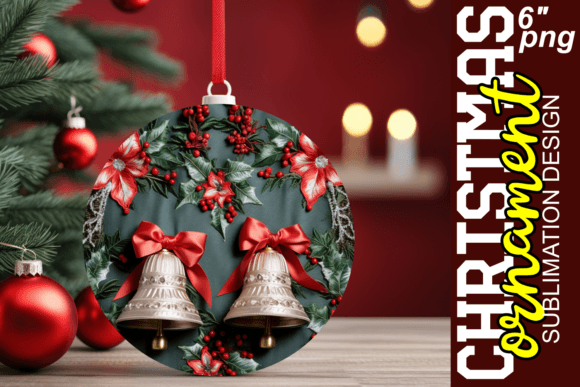
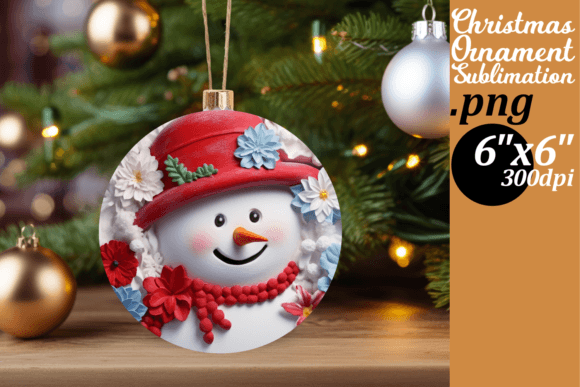
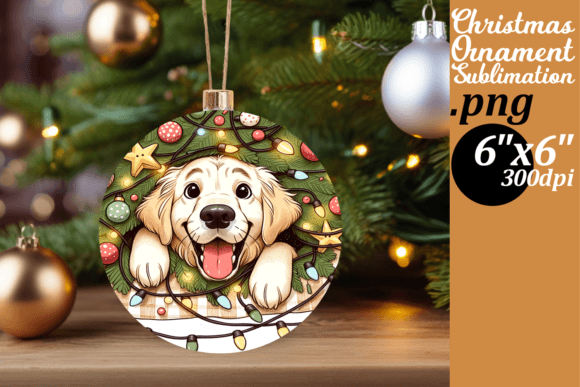
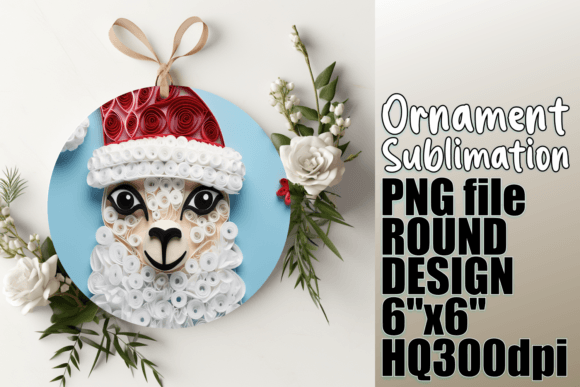
Your download includes – 1 PNG file, ideal for sublimation prints. This single, focused asset is designed to streamline your workflow while maintaining professional standards. Here is a breakdown of what makes this file suitable for serious projects:
- Designed for 6-inch x 6-inch Round Sublimation: The dimensions are optimized for popular circular blanks such as ornaments, coasters, and round t-shirts. This specificity ensures that the composition remains balanced and visually appealing within the constraints of the substrate.
- Suitable for various sublimation projects: While tailored for round formats, the versatility of the design allows for creative adaptation. You can use it for mugs, mouse pads, or other polymer-coated items, provided you account for the aspect ratio during editing.
- Exceptional 300 DPI High-Resolution Image quality: Resolution is paramount in sublimation. At 300 DPI, the image retains crisp edges and smooth gradients, which are critical for simulating the fine details of embroidery threads. Lower resolution files would result in pixelation, destroying the illusion of depth.
Note The PNG Templates are high-resolution, 300 dpi, and can be modified as needed. Should you encounter any problems, feel free to contact me. I’m here to offer support and will happily assist you. This commitment to customer support extends to clarifying file integrity or addressing minor rendering issues, ensuring you start your project on the right foot.
Integrating 3D Effects into Modern Creative Workflows
The rise of remote work and the gig economy has empowered more individuals to start micro-businesses from home. Among the most popular avenues is the creation of custom gifts and party favors. Festive 3D Embroidered Decor fits perfectly into this market because it offers a high perceived value at a low production cost. Unlike physical embroidery, which requires expensive machines and skilled operators, sublimation allows one person to produce dozens of unique items in a single afternoon.
However, success in this niche requires a shift in mindset. You are not just selling a printed object; you are selling an aesthetic experience. When customers see a coaster or ornament that looks like it was stitched by hand, they perceive greater effort and artistry. To leverage this, consider pairing your sublimated items with complementary packaging. A simple kraft box with a ribbon can elevate a 6-inch round print into a gift-worthy product. This holistic approach—combining superior visual assets with thoughtful presentation—is key to standing out in a crowded online marketplace.
Practical Tips for Maximizing Design Impact
While the file itself is ready to use, achieving the best results involves a few practical considerations. First, always preview your design on a mockup before committing to a full print run. This helps you visualize how the 3D shadows interact with the specific color of your blank. For example, a dark background might enhance the contrast of the embroidered effect, while a white background might require adjustments to ensure the details pop.
Second, pay close attention to the alignment. Since the design is created for a 6-inch x 6-inch square but applied to a round surface, centering is critical. Use your design software to place the artwork precisely in the middle of the canvas. Misalignment can cause parts of the "embroidery" to be cut off or distorted near the edges, breaking the immersive effect.
Finally, experiment with different substrates. While polyester fabrics are the standard for sublimation, polymer-coated wood, metal, and ceramic blanks can also showcase these designs beautifully. The matte finish of some coated woods can actually enhance the "fabric-like" appearance of the 3D print, creating a hybrid aesthetic that feels both rustic and modern.
Looking Ahead: Sustainability and Personalization
As consumers become more environmentally conscious, the appeal of on-demand production grows. Sublimation generates less waste than screen printing, which often involves excess ink and complex setup processes. By using digital files like the Festive 3D Embroidered Decor template, you can produce items only when there is a confirmed order, reducing inventory risks and material waste. This lean approach aligns with sustainable business practices and appeals to eco-aware buyers.
Moreover, the ability to easily modify these templates allows for endless personalization. Add names, dates, or custom messages to the design to create one-of-a-kind keepsakes. In a world where people crave unique connections, personalized decor serves as a powerful emotional touchpoint. It transforms a generic item into a cherished memory, increasing customer loyalty and encouraging repeat purchases.
Conclusion
The integration of Festive 3D Embroidered Decor into your sublimation workflow represents a smart evolution for modern creators. It combines the visual richness of traditional textiles with the efficiency of digital printing, offering a compelling value proposition for both sellers and buyers. By respecting the technical requirements of sublimation and leveraging high-quality, high-resolution assets, you can produce stunning, professional-grade products that stand out in any market. Remember, the tool is only as good as the user’s knowledge—so invest time in mastering your equipment, and let the design do the rest.